
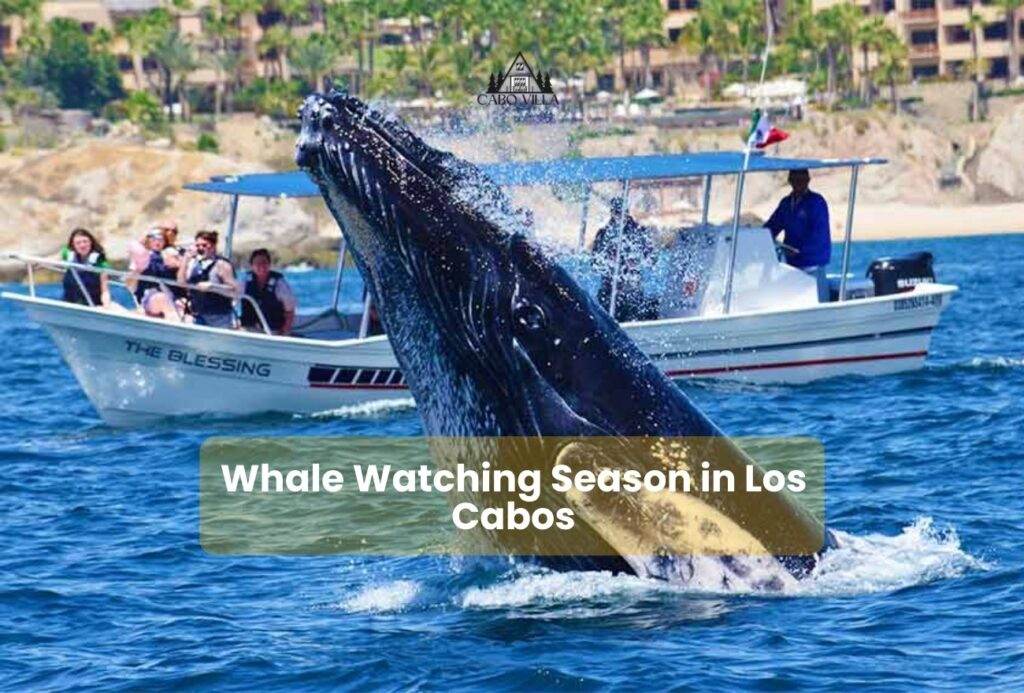
Los Cabos, a popular destination at the tip of Mexico’s Baja California Peninsula, is renowned not only for its stunning beaches but also for being one of the best places in the world for whale watching. Every year, from December to April, thousands of humpback whales, gray whales, and other species migrate to the warm waters of the Pacific Ocean and the Sea of Cortez. This migration makes Los Cabos a prime spot for whale watching. Whether you are a first-time visitor or a seasoned Cabo traveler, this guide will provide all the details you need to plan the perfect whale-watching experience.
When is Whale Watching Season in Los Cabos?
The whale-watching season in Los Cabos typically runs from December 15 to April 15. During this period, thousands of whales migrate from the cold waters of the Arctic to the warmer waters of Baja California. The peak of whale sightings usually occurs between January and March, when the whales are more active and visible. However, sightings can begin as early as November and continue into mid-April, making this a long and exciting season for whale enthusiasts.
Best Time to Visit for Whale Watching
The best time to see whales in Los Cabos is from January to March when the whales are most active. This is when you can witness remarkable behavior such as breaching (whales leaping out of the water), fluke slapping (whales lifting their tails out of the water), and even mating displays. While the season officially opens in December, the peak migration activity tends to slow down as April approaches.
Top Whale Species to Spot
Los Cabos is home to several whale species, each offering a unique viewing experience. Here are the main types of whales you’ll encounter:
Humpback Whales
Humpback whales are the most commonly sighted whales in Cabo. These majestic creatures are known for their playful behavior and dramatic breaches. Adult humpbacks can grow up to 50 feet long and weigh around 40 tons. During the whale-watching season, you’ll often see them breaching, tail slapping, and even singing underwater. The best time to see humpbacks is mid-January through March.
Gray Whales
Gray whales are another common species in the Baja region. These whales are known for their long migrations from the Arctic to Baja California’s warm waters. Gray whales are typically spotted in early season, from December to January, before heading back north to the Arctic for the summer. Unlike humpbacks, gray whales tend to stay closer to the shore, making them easier to spot from boats or from the beach.
Blue Whales
Blue whales, the largest animals on Earth, are occasionally sighted in Los Cabos. These gentle giants can grow up to 100 feet long and weigh as much as 200 tons. While sightings are rarer than humpbacks and gray whales, Los Cabos is one of the few places where you might have a chance to see them, particularly in the Sea of Cortez. Best chances for spotting blue whales are during the early part of the season, in December and January.
Fin Whales, Orcas, and Sperm Whales
Fin whales and sperm whales also pass through Baja California’s waters, though sightings of these species are less frequent. Orcas (killer whales) can be spotted from time to time, typically in February and March. These species are exciting to see for experienced whale watchers, but their appearances are more unpredictable.
Best Locations for Whale Watching
Los Cabos offers several prime spots for whale watching, whether you are booking a tour or simply watching from the shore.
Cabo San Lucas Marina
The Cabo San Lucas Marina is one of the most popular spots for whale-watching tours. From here, you can take a variety of boat tours that will bring you close to the whales. Tour operators use specialized boats that are equipped with eco-friendly engines, ensuring minimal disturbance to the whales. Most tours depart early in the morning, providing the best chance for whale sightings.
San José del Cabo
For those seeking a quieter experience, San José del Cabo is a great alternative. The area is less crowded, and it offers boat tours that take you out into the Sea of Cortez, where you may encounter whales closer to the shore. This location is perfect for those looking for a more serene whale-watching experience away from the bustle of Cabo San Lucas.
Sea of Cortez
The Sea of Cortez, often referred to as the “Aquarium of the World,” is a prime location for spotting various marine species, including whales. Tours in this area often provide sightings of humpback and gray whales, along with other fascinating marine life. The waters are typically calmer here, providing a smoother ride for those prone to seasickness.
Top Whale Watching Tours
Los Cabos has numerous reputable tour companies that offer whale-watching excursions. These companies provide educational tours led by certified guides, making them perfect for families and first-time whale watchers.
Cabo Adventures
Cabo Adventures is a leading tour operator in Los Cabos, offering an eco-friendly whale-watching tour. Their tours are guided by experienced marine biologists who provide valuable insights into whale behavior, migration, and conservation efforts. Cabo Adventures offers both small group and private tours for those looking for a more personalized experience.
Whale Watch Cabo
Known for their “Whale Guarantee” policy, Whale Watch Cabo ensures that you will see whales during your tour or they will offer you a free rebooking. Their eco-friendly boats are perfect for families, and the guides provide educational commentary throughout the tour. This company is highly rated for its customer service and commitment to conservation.
Cabo Trek
For those looking for a luxury whale-watching experience, Cabo Trek offers private, high-end tours with the option of adding a professional photographer. Their tours cater to small groups, ensuring that every passenger has the opportunity for an excellent view. Cabo Trek’s boats are designed for comfort, and they also offer a chance to spot marine life beyond whales, such as dolphins and sea lions.
Where to Stay During Whale Watching Season in Cabo San Lucas
If you’re planning a whale-watching adventure in Cabo San Lucas, selecting the right accommodation can enhance your experience. Opt for hotels with ocean views or beachfront locations to maximize your chances of spotting these majestic creatures right from your room or balcony.
1. Grand Velas Los Cabos
This luxury all-inclusive resort offers ocean-view suites, infinity pools, and gourmet dining. Its prime location along the Sea of Cortez provides excellent whale-watching opportunities directly from your suite.
2. Esperanza, Auberge Resorts Collection
Known as the only private beach resort in Los Cabos, Esperanza offers unparalleled views of the Pacific Ocean. Guests can enjoy whale sightings from their accommodations or while dining at seaside venues.
3. Pueblo Bonito Sunset Beach Golf & Spa Resort
Perched high on a coastal bluff, this resort offers countless whale-watching opportunities. From the two-tiered infinity Sky Pool 250 feet above sea level, guests can sip cocktails and catch glimpses of migrating whales.
4. Mar del Cabo by Velas Resorts
A boutique hotel and a luxury villa offering intimate whale-watching experiences. Guests can book a chartered yacht for private whale-watching tours, ensuring a personalized and luxurious experience.
5. One&Only Palmilla
Located in San José del Cabo, this resort offers oceanfront accommodations with direct beach access. Guests can enjoy whale-watching from their rooms or while lounging on the beach.
6. The Cape, a Thompson Hotel
Known for having one of the best views in all of Los Cabos, The Rooftop at The Cape is easily one of the best spots for whale watching in the region.
Ethical Whale Watching Practices
Whale watching is not only about spotting these magnificent creatures but also about protecting them. It’s important to follow ethical whale-watching practices to minimize your impact on the animals and the environment.
- Maintain a safe distance: Stay at least 100 yards from the whales.
- Avoid sudden movements or loud noises: Keep the boat movements slow and steady.
- Use eco-friendly tour operators: Choose companies committed to reducing their environmental impact.
By following these practices, you help ensure that future generations will be able to enjoy whale watching in Cabo.
What to Expect on a Whale Watching Tour
Most whale-watching tours in Cabo last 2 to 3 hours, and the best times for whale sightings are early mornings and late afternoons when the waters are calm. You’ll likely see whales performing acrobatic breaches, tail slapping, and spouting. In addition to whales, you may also spot dolphins, sea lions, and various seabirds.
Tours typically provide binoculars and knowledgeable guides, but it’s always a good idea to bring your camera to capture the amazing sights. If you’re prone to motion sickness, make sure to take precautions, as the boats can sometimes experience choppy waters.
Packing Tips for Whale Watching
To make your whale-watching experience more enjoyable, here are some essential items to pack:
- Sunscreen: Even on cloudy days, the sun can be strong on the water.
- Binoculars: While the boats offer great views, binoculars can help you spot distant whales.
- Camera: Capture the moments with a waterproof camera or a smartphone in a waterproof case.
- Motion sickness remedies: Bring seasickness tablets or wristbands if you’re sensitive to motion.
- Light layers: The temperature can vary, especially in the early mornings.
Conservation Efforts and Marine Life Protection
Los Cabos is committed to preserving its marine life, including whales. Many local organizations are focused on whale conservation, ensuring that these incredible creatures continue to visit the region. As a responsible tourist, you can support these efforts by choosing eco-friendly tours, following ethical guidelines, and respecting the environment.
FAQs
When is the best time to go whale watching in Los Cabos?
The best time for whale watching in Los Cabos is from December to April, with peak sightings happening between January and March. This is when whales are most active and visible.
What whale species can I see in Los Cabos?
The most common whale species in Los Cabos include humpback whales, gray whales, and occasionally blue whales. You may also spot fin whales, orca, and sperm whales.
Are whale-watching tours available year-round in Cabo?
No, whale-watching tours are only available from December 15 to April 15, during the whale migration season. The peak period is from January to March.
How long do whale-watching tours last in Los Cabos?
Most whale-watching tours last between 2 to 3 hours, with some operators offering private tours that may extend the duration.
What should I bring on a whale-watching tour?
It’s recommended to bring sunscreen, binoculars, a camera, motion sickness medication, and light layers. A waterproof camera case is also a good idea.
Is it safe to go whale watching with children?
Yes, whale-watching tours are safe for children, especially on family-friendly boats that provide life vests and guide assistance. Always check with the tour operator about age requirements and safety measures.
Can I see whales from the shore in Los Cabos?
Yes, whales can sometimes be seen from the shore, especially from the beaches in San José del Cabo or Medano Beach, but boat tours offer a much closer and more intimate experience.
What are the best locations for whale watching in Los Cabos?
The best locations include Cabo San Lucas Marina, San José del Cabo, and the Sea of Cortez, which is rich in marine life and provides calm waters for spotting whales.
How do I ensure an eco-friendly whale-watching experience?
Choose tour operators that are committed to eco-friendly practices, such as those with low-emission boats, certified guides, and a focus on whale conservation. Always follow the ethical guidelines provided by your tour guide.
Can I go whale watching if I get seasick easily?
If you’re prone to seasickness, be sure to bring motion sickness remedies. Many tours offer stable boats and provide preventive measures for seasick passengers.
Whale watching in Los Cabos is a truly magical experience, offering visitors a chance to witness some of the most awe-inspiring creatures on Earth in their natural habitat. From humpback whales breaching in the warm waters to gray whales migrating along the Baja coastline, Cabo San Lucas provides an unforgettable whale-watching experience. By following ethical guidelines, booking with reputable operators, and preparing for your adventure, you’ll ensure a safe, responsible, and thrilling journey into the world of whales
List Of Refrences
National Geographic on Whale Migration
Baja California Whale Watching Information
Visit Los Cabos Whale Watching Overview
Baja Whale Watching Tour Operator
Whale Conservation Network
Cabo San Lucas Marine Conservation Efforts
National Oceanic and Atmospheric Administration (NOAA) Whale Watching Tips
Whale Watching Packing Guide by Whale Watch Cabo
Visit Los Cabos Whale Watching Tours
Whale Watching Tours in Cabo San Lucas
Marine Conservation Group: Whale Watching Best Practices
World Wildlife Fund: Whale Watching Guidelines
- Cabo Adventures
- Whale Watch Cabo
- Cabo Trek Whale Watching
Whale Watch Cabo: Species Information
Marine Mammal Science Journal: Whale Species