
Los Cabos, spanning Cabo San Lucas, San José del Cabo, and the Tourist Corridor, is known worldwide for its stunning beaches, dramatic cliffs, and vibrant marine life. While it’s famous for luxury resorts and nightlife, Cabo also offers world-class snorkeling and marine adventures. From calm, family-friendly coves to offshore reefs teeming with tropical fish, there is something for every level of snorkeler and marine enthusiast.
This guide covers top snorkeling spots, guided and self-guided options, marine wildlife by season, safety tips, and everything you need to plan a memorable underwater adventure in Los Cabos.
Why Los Cabos is a Snorkeler’s Paradise
Los Cabos sits at the junction of the Pacific Ocean and the Sea of Cortez, creating a rich marine ecosystem. This unique location, combined with protected bays and coral reefs, makes it ideal for snorkeling.
- The region is sometimes called “the world’s aquarium” for its diversity of tropical fish, rays, sea turtles, and even occasional whale sightings.
- Over 350 days of sunshine per year and warm water temperatures ranging from 68°F in winter to 80°F in summer make snorkeling possible nearly year-round.
- Protected coves such as Chileno Bay and Santa Maria Beach offer calm waters ideal for beginners, families, and casual snorkelers.
Top Snorkeling Spots in Los Cabos
Los Cabos offers a variety of snorkeling locations across the region. Each spot has unique conditions, marine life, and accessibility.
Cabo San Lucas Bay & Land’s End
The waters near Cabo San Lucas are sheltered, providing easy access to reefs and marine life.
- Pelican Rock: A granitic islet with colorful reefs and abundant fish, suitable for beginners.
- Lover’s Beach: Adjacent to El Arco, dramatic scenery and sea lions make it a popular stop, but currents can be stronger.
- Land’s End: Offers snorkeling among rocks and small reefs; guided tours often include wildlife spotting.
Chileno Bay (Tourist Corridor)
Chileno Bay is a Blue Flag beach known for its calm waters and family-friendly snorkeling.
- Gentle entry with sandy slopes; water clarity often exceeds 100 ft.
- Common sightings: damselfish, parrotfish, sergeant majors, and small reef sharks.
- Perfect for beginners, children, and casual snorkelers.
Santa Maria Bay (Tourist Corridor)
Santa Maria Bay features a protected coral reef and a tranquil lagoon.
- Sheltered conditions ideal for families and novices.
- Marine life includes yellow porkfish, angelfish, and parrotfish.
- Can snorkel from shore or take a short boat trip to deeper areas.
Other Corridor & East Cape Spots
- Acapulquito Beach and smaller coves offer peaceful snorkeling experiences.
- Sea of Cortez side beaches are generally calm; Pacific side beaches have stronger waves and are better for advanced snorkelers.
Cabo Pulmo National Park
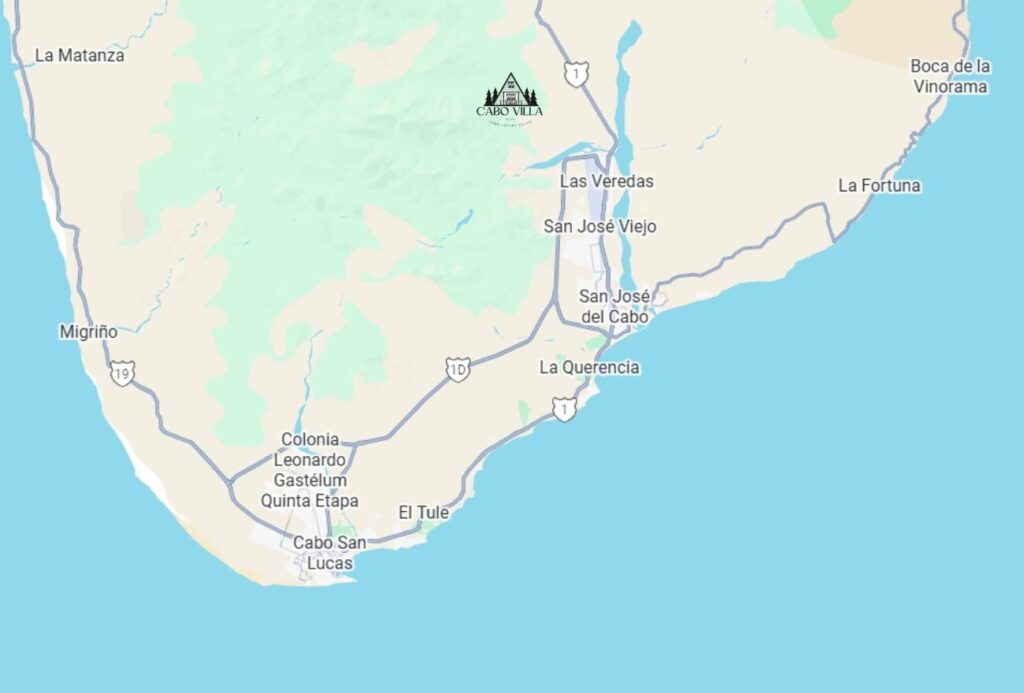
- Located ~60 miles north of Cabo San Lucas, it’s home to one of the largest living coral reefs in the Eastern Pacific.
- Marine life: massive schools of fish, green sea turtles, rays, and occasional whale sightings.
- Recommended for guided tours due to distance and conservation regulations.
Guided vs. Self-Guided Snorkeling
Choosing between a guided tour and self-guided snorkeling depends on skill level, comfort, and desired experience.
- Guided Boat Tours:
- Provide equipment, life jackets, and safety guidance.
- Often include multiple snorkeling sites and other activities (Land’s End, paddleboarding, meals).
- Ideal for families and beginners, especially in rougher waters.
- Early morning tours offer the calmest seas.
- Self-Guided Snorkeling:
- Popular at Chileno Bay and Santa Maria Beach, with calm, shallow waters.
- Visitors provide their own gear or rent locally.
- Offers more flexibility but requires attention to conditions (currents, tides).
- Perfect for budget-conscious travelers or those seeking a leisurely experience.
- Other Adventure Tours:
- Snuba diving allows exploration deeper reefs without certification.
- Sea-kayak + snorkel tours access hidden coves.
- Semi-submarine trips let non-swimmers view marine life from a dry environment.
- Zodiac or jet-ski + snorkeling adventures for thrill-seekers.
Marine Wildlife by Season
Los Cabos is rich in marine biodiversity year-round. Here’s what to expect:
- Tropical Reef Fish: Parrotfish, angelfish, damselfish, goatfish; visible all year.
- Sea Turtles: Green, hawksbill, and olive ridley turtles frequent reefs; best near Cabo Pulmo.
- Rays and Mobula Rays: Peak May–July; schools of hundreds may appear in shallow waters.
- Sharks: Reef sharks in shallow waters, larger species offshore; safe for snorkelers near protected reefs.
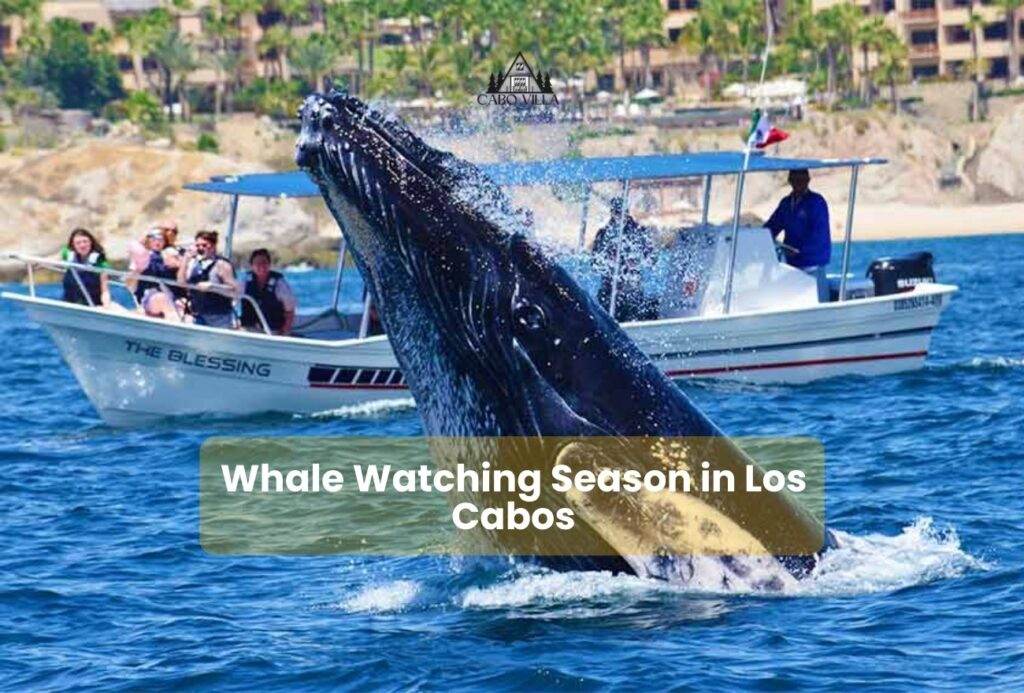
- Whales: Humpback and gray whales migrate Nov–Apr, visible from boats and occasionally from snorkel sites.
- Dolphins & Sea Lions: Present year-round; sea lions near Land’s End are curious and often interact with snorkelers.
- Crustaceans & Invertebrates: Lobsters, crabs, octopus, and urchins inhabit rocky reefs.
Conditions, Safety & Best Practices
Safety is key to enjoying marine adventures:
- Visibility & Water Conditions: Best in Oct–Nov; mornings are calmest.
- Temperature: 68–72°F in winter, 78–82°F in summer; air temps can reach high 90s.
- Currents & Waves: Sea of Cortez side is generally calm; Pacific side can be strong.
- Equipment: Always wear mask, snorkel, fins; life jackets recommended for children and beginners.
- Family-Friendly Tips: Chileno Bay and Santa Maria Bay are excellent for families; supervise children closely.
Family-Friendly vs Advanced Snorkeling Spots
Los Cabos offers snorkeling experiences suitable for all skill levels. For families and beginners, sheltered bays like Chileno Bay and Santa Maria Beach provide calm, shallow waters with gentle entry points, making it easy for children and novice snorkelers to enjoy the vibrant reef life safely. These spots allow visitors to see colorful reef fish, small rays, and even playful sea lions without dealing with strong currents or deep drop-offs. For more experienced snorkelers seeking adventure, locations such as Land’s End, Lover’s Beach, and Cabo Pulmo offer deeper reefs, abundant marine life, and more challenging conditions, often requiring guided tours for safety. By choosing the right location for your skill level, everyone—from families to seasoned snorkelers—can have a safe and enjoyable underwater experience. Los Cabos offers diverse options for all skill levels:
| Level | Recommended Locations | Notes |
|---|---|---|
| Beginner | Chileno Bay, Santa Maria Bay | Calm, shallow waters; great for children |
| Intermediate | Land’s End, Lover’s Beach | Currents stronger; may need guide |
| Advanced | Cabo Pulmo, East Cape Reefs | Deeper reefs, abundant marine life; guided recommended |
| Family | Chileno Bay, Santa Maria Bay | Shallow, protected coves; life jackets recommended |
Snorkeling Tours & Tips
- Morning Tours: Calm seas and better visibility.
- Equipment: Mask, snorkel, fins, reef-safe sunscreen.
- Wildlife Etiquette: Observe but don’t touch; maintain distance from turtles, rays, and sea lions.
- Hydration & Sun Protection: Bring water and sun protection for long tours.
- Eco-Conscious Practices: Use certified tour operators to minimize environmental impact.
Best Time to Snorkel in Los Cabos
The best time to snorkel in Los Cabos largely depends on weather, water conditions, and marine activity. November through June is the dry season, with calmer waters, clear visibility, and warm temperatures, making it ideal for both shore and boat snorkeling. Summer months (July–September) bring warmer water but also occasional monsoon rains, which can reduce visibility and increase currents in some areas. Winter (December–March) is perfect for combining snorkeling with whale watching, although beaches may be more crowded due to peak tourist season. Early mornings generally provide the calmest conditions and clearest water, while afternoon winds can create waves or stir up sand near shore. By planning around these seasonal factors, snorkelers can enjoy the clearest waters, abundant marine life, and safe conditions for their adventure.

- Dry Season (Nov–June): Cooler nights, clear skies, calm seas.
- Summer (July–Sept): Warmer water, occasional monsoon rains, lower visibility.
- Winter (Dec–Mar): Peak whale-watching season; good conditions for snorkeling but higher tourist traffic.
Related Marine Adventures
- Snuba Diving: Explore deeper reefs without certification.
- Sea-Kayak + Snorkel: Access secluded coves.
- Semi-Submarine Tours: Ideal for non-swimmers.
- Dolphin & Whale Tours: Combine snorkeling with marine mammal observation.
Los Cabos offers a diverse and unforgettable snorkeling experience. With its protected bays, coral reefs, and rich marine life, visitors from beginners to experts can enjoy safe and exciting underwater adventures. By planning around seasonal wildlife patterns, guided vs self-guided tours, and family-friendly swimmable beaches, travelers can experience the full spectrum of marine wonders in Los Cabos, from colorful reef fish to migrating whales.
Whether you’re exploring Chileno Bay with kids, snorkeling alongside sea lions at Land’s End, or taking a day trip to Cabo Pulmo, Los Cabos offers marine adventures that are as safe as they are spectacular.
Frequently Asked Questions
What are the best snorkeling spots in Los Cabos?
Top snorkeling locations include Chileno Bay, Santa Maria Bay, Land’s End, Lover’s Beach, and Cabo Pulmo National Park. Each offers unique marine life, reef structures, and accessibility for beginners or advanced snorkelers.
When is the best time to snorkel in Los Cabos?
The dry season (November–June) offers calm waters and clear visibility, ideal for snorkeling. Summer (July–September) is warmer but can have stronger currents and occasional rain. Winter is perfect for combining snorkeling with whale watching.
Are there family-friendly snorkeling spots in Los Cabos?
Yes. Chileno Bay and Santa Maria Bay are sheltered, shallow coves perfect for kids and beginners, providing calm conditions and easy access to colorful reefs and small marine animals.
What marine life can I expect while snorkeling in Los Cabos?
Snorkelers may see parrotfish, angelfish, sergeant majors, rays, sea turtles, dolphins, and sea lions. During winter months, whales migrate through the region, sometimes visible from snorkel boats.
Should I take a guided snorkeling tour or snorkel independently?
Guided tours offer equipment, safety instruction, and access to remote reefs, making them ideal for beginners or families. Self-guided snorkeling works well at protected beaches like Chileno or Santa Maria, but requires attention to currents, tides, and safety.
What should I bring for snorkeling in Los Cabos?
Essential items include a mask, snorkel, fins, reef-safe sunscreen, swimwear, water shoes, and drinking water. For guided tours, most equipment is provided, but bringing your own can improve comfort.
Is snorkeling safe in Los Cabos?
Yes, when following safety guidelines. Sheltered bays are suitable for beginners. Pacific-side beaches and open reefs require guides or advanced experience. Always check local conditions, wear life jackets if needed, and follow eco-friendly practices.
Can I see whales while snorkeling in Los Cabos?
Whales are typically observed on whale-watching tours, but winter months (December–March) may allow snorkelers to see distant whale activity while exploring nearby waters.