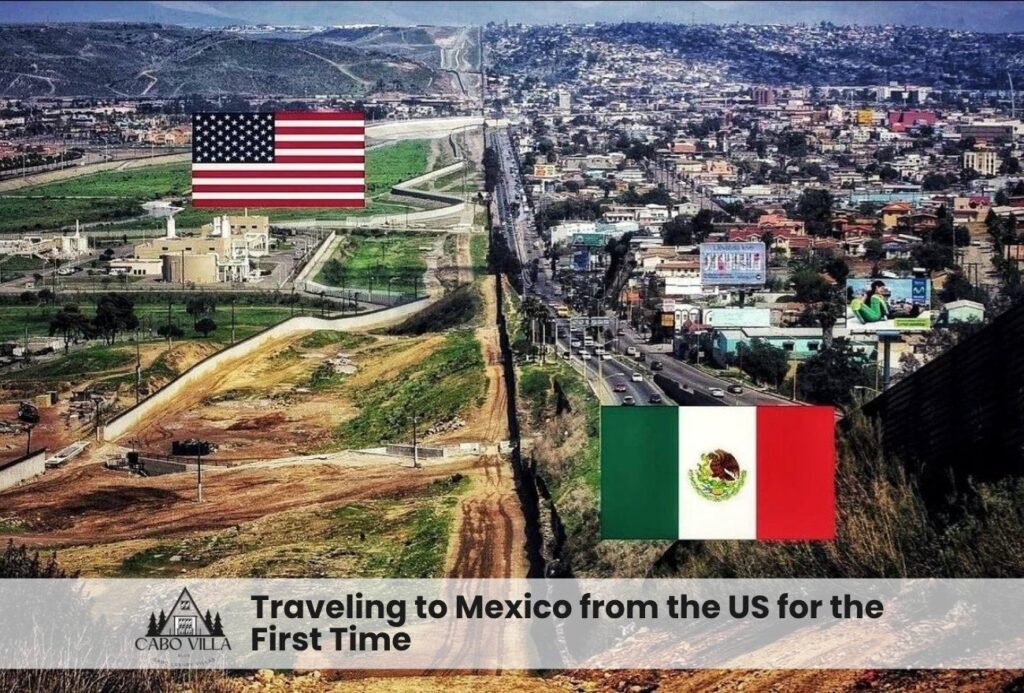
Mexico sits just south of the United States border, yet for millions of Americans it still feels like a world away. The language shifts. The currency changes. The customs are different. And if you have never left the country before, the paperwork alone can feel overwhelming before you even pick a destination.
This guide is written for first-time travelers making the trip from the US to Mexico. It covers everything you need at the border, what to carry in your bag, how to handle money, when to go, and where in Mexico a first visit makes the most sense. By the time you finish reading, the planning part should feel straightforward.
Do You Need a Passport to Enter Mexico from the US
Yes. If you are flying into Mexico from the United States, you need a valid passport book. A passport card is not accepted for air travel. It works at land and sea crossings, but not at an international airport.
Your passport should be valid for the full duration of your trip. While Mexico does not have a blanket six-month validity rule in the way some other countries do, your airline may require it before boarding. Renewing at least six months before departure removes that uncertainty entirely.
If you are crossing into Mexico by land, through a border crossing like San Ysidro or El Paso, a passport card or other WHTI-compliant document is accepted. Most first-time travelers from the US fly in, which means the passport book is what you need to have sorted before anything else.
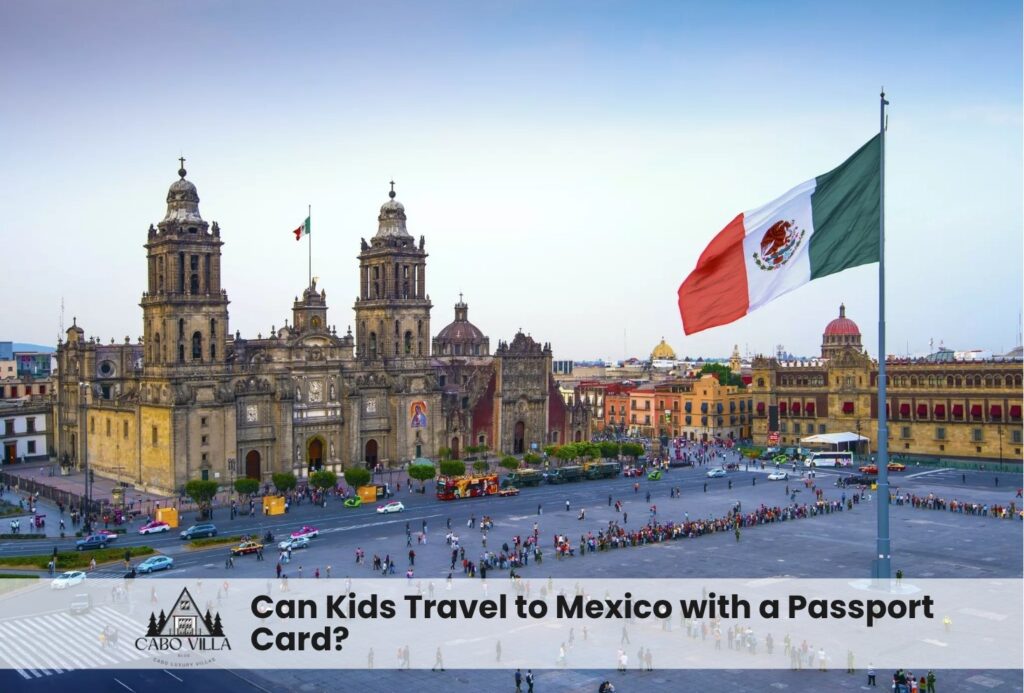
Children traveling with one parent, or without both parents, should carry a notarized letter of permission from the absent parent. Mexican immigration does not always request it at the airport, but the law requires it and airlines can ask for it before boarding.
What Is the FMM Tourist Card and Do You Still Need It
The FMM, or Forma Migratoria Múltiple, was the paper immigration form that travelers used to fill out on the plane or at the border. For years it was the document that immigration officers stamped and handed back to you.
At most major international airports in Mexico, that paper form has been replaced. If you fly into Los Cabos International Airport, Cancún, Puerto Vallarta, Mexico City, or Tulum, immigration now stamps your passport directly. The stamp records your entry as a tourist, and the number of days you are permitted to stay is written on that stamp. Keep your passport safe throughout the trip because that stamp is your legal entry record.
If you are crossing into Mexico by land, the FMM is still required. You can complete it online before your trip or pick up a form at the border crossing. Print it out if you fill it in online, and bring a pen for the crossing line because not every crossing provides forms at the counter.
One rule that applies regardless of how you enter: as of mid-2025, all foreign visitors who are not residents of Mexico must present a return or outbound ticket when entering the country. Have your return flight confirmation ready on your phone or printed out.
No visa is required for US citizens staying in Mexico for tourism for up to 180 days.
How Much Money Can You Bring Into Mexico
When entering Mexico, you are required to declare any cash amount of 10,000 USD or more. The same rule applies when leaving. This is not a restriction on carrying the money. It is a declaration requirement, and failing to declare it at customs is what creates the problem.
For most first-time visitors, this number is not relevant to the trip itself. What matters more is understanding how money works day to day in Mexico, which is covered further below in the currency section.
What You Cannot Bring Into Mexico
Several items that are legal in the United States are not permitted across the Mexican border. Knowing this in advance saves you from a serious situation at customs.
Firearms, ammunition, and most bladed weapons require government-issued permits from Mexico. Bringing any of these without the appropriate documentation is a criminal offense, not a minor customs violation.
E-cigarettes and vaping devices are prohibited. This rule is enforced, and customs officers do confiscate them.
Medical marijuana is illegal in Mexico regardless of what your home state allows. Do not bring cannabis products of any kind across the border.
At every customs checkpoint, cooperate with officers and avoid anything that reads as aggressive or evasive. Immigration agents are permitted to inspect phones if they observe behavior that raises concerns, including taking photos in immigration lines.
Best Time to Visit Mexico for the First Time
The right time depends on which part of Mexico you are visiting, but a general rule holds across most of the country.
December through April is the dry season. Temperatures across coastal areas and highlands stay comfortable. Rainfall is minimal. This is when most first-time visitors travel because the conditions are predictable and the weather is genuinely pleasant.
May through October brings the rainy season. On the Pacific coast and in the Yucatán Peninsula, this period overlaps with hurricane season. Rain does not mean constant downpour, but afternoon storms are common and some beach days get cut short.
For Cabo San Lucas specifically, the dry season runs long and the weather stays warm and consistent well into late spring. If you are planning a first trip to Mexico with a luxury stay at the southern tip of Baja California, November through April gives you the best combination of calm seas, warm temperatures, and clear skies. The best time to visit Cabo San Lucas in detail is worth reading before you book, especially if you are traveling with family or around school holidays when pricing shifts.
Currency and Money in Mexico
Mexico uses the Mexican peso. While US dollars are accepted at many tourist-facing businesses, hotels, and restaurants in resort areas, you will often get a worse exchange rate than if you pay in pesos.
ATMs in Mexico are widely available in cities and resort zones. Using your debit card at an ATM to withdraw pesos typically gives you a fair rate, though your bank may charge a foreign transaction fee. Notify your bank before you travel so the transactions are not flagged as fraud.
Currency exchange booths exist at airports and in tourist areas. Airport rates are usually the worst you will find. If you can wait until you reach your destination, an ATM or a bank in town will serve you better.
Tipping is expected and important in Mexico. Restaurant servers, hotel housekeeping staff, taxi drivers, tour guides, and bartenders all rely on tips as a meaningful part of their income. For sit-down meals, 15 to 20 percent is standard. For a luxury villa stay in Cabo, tipping the villa staff appropriately makes a real difference and is something experienced travelers factor into their budget from the start.
The Cabo currency guide covers exactly how to handle USD versus pesos, where to find reliable ATMs, and what the tipping culture looks like across different situations in Los Cabos.
Getting to Mexico from the US: Flying vs Driving
By Air
Flying is the most common way Americans travel to Mexico for the first time. Flights from major US cities to Cabo San Lucas, Cancún, and Mexico City are frequent and often direct. From cities like Los Angeles, Phoenix, Houston, and Dallas, a flight to Los Cabos International Airport takes between one and two and a half hours depending on the departure point. From the East Coast, direct flights exist but are longer.
Booking two to three months in advance usually yields the most reasonable fares. Shoulder season travel in May to June or October to November comes with lower prices and fewer crowds at most destinations.
By Land
Driving across the border is a common choice for travelers in border states, particularly those visiting Baja California. If you are making the drive down the Baja Peninsula to reach Cabo San Lucas, understand that it is a full day of driving from Tijuana and requires preparation. Roads are generally good on the main highway, but gas stations thin out in stretches and mobile coverage is inconsistent. A full tank and some cash before leaving populated areas is basic preparedness.
At land crossings, the FMM process applies as described above. You will also need Mexican auto insurance. US car insurance does not cover you in Mexico, and driving without the local equivalent is a legal risk as well as a financial one. Mexican auto insurance is inexpensive and available online before you cross.
Safety in Mexico: What First-Time Visitors Actually Need to Know
Safety is the question every first-time visitor to Mexico asks, and the honest answer is that it depends entirely on where you go and how you move around.
Northern border states have elevated risk from organized crime. The US State Department issues travel advisories that break down the risk level by state. Reading the advisory for the specific regions you plan to visit is worth doing, not to be alarmed, but to go in with accurate information rather than generalized fear or overconfidence.
Tourist resort zones and major destination cities operate with significant separation from the areas that generate negative headlines. Los Cabos is consistently listed among the safest resort destinations in Mexico. The tourism economy there depends on visitors feeling secure, which creates real incentive at every level to maintain that.
Practical habits that experienced Mexico travelers follow include using registered airport taxis or trusted ride-hailing apps rather than unmarked vehicles, keeping hotel doors locked and valuables in the room safe, and purchasing alcohol from reputable venues. Travelers have reported becoming ill after consuming alcohol at unmonitored establishments, so drinking at established venues is a precaution worth taking.
Enrolling in the US State Department’s Smart Traveler Enrollment Program (STEP) before you leave is free and takes five minutes. It registers your trip with the nearest US embassy or consulate so they can reach you or your emergency contact if something happens during your stay.
Health and Vaccinations Before Traveling to Mexico
Mexico does not require proof of vaccination for entry. There are no mandatory shots for US citizens visiting as tourists.
The US CDC recommends being up to date on routine vaccines before traveling to Mexico. Depending on where you are going and how you plan to spend your time, hepatitis A, typhoid, and certain other vaccines may be recommended. If you are heading to a resort area like Cabo San Lucas and staying in well-maintained private accommodation, your risk profile is much lower than someone traveling through rural areas or staying in budget guesthouses.
Malaria is present in specific parts of Mexico, mainly rural coastal and jungle areas. It is not a concern in the major tourist destinations along the Pacific coast or Baja California.
Carry any prescription medications in their original labeled containers. Bring enough for the full trip plus a few extra days. Some medications that require a prescription in the US are sold over the counter in Mexican pharmacies, but confirmation of what you need is better done with your doctor before you leave.
Water, Food, and Stomach Health
Tap water in Mexico is not safe to drink. This is consistent across the country, including major cities and resort areas. Drink bottled water, use purified water for brushing your teeth, and avoid ice that is not made from purified water. Most reputable restaurants and all well-run hotels use purified water in their kitchens.
Mexican food is extraordinarily good and a central part of the experience. Street food eaten thoughtfully from busy, high-turnover stalls is generally safe and often the best meal you will have. Empty-looking stalls with food sitting out in the heat are a different matter.
Traveler’s stomach is a real possibility for first-time visitors regardless of how careful they are. Packing oral rehydration salts and an over-the-counter anti-diarrheal medication means a bad afternoon does not derail the whole trip.
What to Pack for Mexico
Mexico runs warm to hot across most of its coastline year-round. Lightweight, breathable clothing handles most situations. For a resort trip to Cabo San Lucas, the packing list is not complicated.
Bring high-SPF sunscreen and apply it every time you go outdoors. The sun in Baja California is intense, especially between 10 a.m. and 3 p.m. Sunburn happens faster than most first-time visitors expect.
For power, Mexico uses the same Type A and Type B plug standard as the United States, at 127 volts. US travelers do not need a voltage converter or plug adapter.
Download Google Maps offline before you arrive. Mobile data can be inconsistent in transition zones, and having offline maps prevents the situation where you are navigating a new place without a signal.
WhatsApp is the primary communication app in Mexico. If you are coordinating with tour operators, villa staff, drivers, or local businesses, WhatsApp is how they communicate. Having the app installed saves friction throughout the trip.
Choosing Where to Go in Mexico for Your First Trip
Mexico is large and varied. Different regions serve different travel styles, and the right first destination depends on what you are actually looking for.
If this is your first international trip and you want a soft landing, meaning easy airport access from the US, English-speaking staff at hotels, familiar comforts within reach, and consistently excellent weather, the Pacific coast destinations make the most sense. Cabo San Lucas at the southern tip of Baja California and Puerto Vallarta on the mainland coast both offer that.
Cabo, in particular, has a geography that is genuinely hard to find anywhere else. The Pacific Ocean meets the Sea of Cortez at Land’s End, creating calm water on one side and the open ocean on the other. El Arco de Cabo San Lucas, the natural rock arch that sits at the very tip of the peninsula, is one of the most photographed spots in the entire country.
The things to do in Los Cabos go well beyond the beach. Whale watching runs from December through April. Sport fishing is world-class year-round. Horseback riding through desert canyons and along the coastline offers a completely different perspective on the landscape. The horseback riding tours in Cabo San Lucas are worth planning in advance because the better guided experiences book out during peak season.
For travelers coming with children, Cabo is one of the most family-friendly options in Mexico. Médano Beach has calm waters with lifeguard supervision, and there are enough family-friendly activities in Cabo to fill an entire week without any repeats.
Cabo San Lucas and San José del Cabo sit at opposite ends of the same corridor but feel noticeably different from each other. Cabo San Lucas is livelier, more concentrated, and built around the marina and beach scene. San José del Cabo is quieter, more cultural, with an art district, colonial architecture, and a pace that suits travelers who want something beyond nightlife and water sports. Most visitors to the region split their time between both.
Where to Stay in Cabo San Lucas for Your First Visit
Hotels and resorts dominate the Cabo accommodation market, but private villas have become the preferred choice for travelers who want space, privacy, and a more personal experience.
A luxury villa in Cabo gives you the kind of environment that resorts cannot replicate. There is no lobby, no crowded pool bar, no schedule imposed by the property. You have your own outdoor terrace, your own pool, your own kitchen, and a concierge team available to arrange whatever you need for the day. For families traveling together or a group of friends sharing a trip, the cost per person often comes out comparable to a high-end resort room, but the experience is substantially different.
The Pedregal area sits on a hillside above the marina with gated access and panoramic ocean views. The Corridor between Cabo San Lucas and San José del Cabo lines its oceanfront properties with quieter settings ideal for longer stays. Both produce a very different Cabo from what you see in generic resort marketing.
Understanding how to book a luxury villa in Cabo before you start comparing options helps you make a decision based on what actually matters, not just what photographs well. Location, group size, included services, and proximity to what you plan to do during the trip all factor in.
If having a private chef is something your group would use, it changes the entire rhythm of the stay. A villa in Cabo with a private chef means meals are arranged around your preferences, dietary needs, and schedule rather than restaurant hours. For a first trip to Mexico, removing the effort of planning every meal while still eating well is a meaningful quality-of-life upgrade.
Understanding Mexican Culture as a First-Time Visitor
Mexico has a layered cultural identity that goes well beyond what most first-time visitors encounter at the resort level. Its indigenous heritage, colonial history, and contemporary creativity all coexist in ways that reward curiosity.
In daily interactions, Mexicans generally approach strangers with warmth and patience, especially with visitors who make even a basic effort with Spanish. Learning a handful of phrases before you travel, greetings, numbers, and courtesy phrases, generates visible goodwill and makes practical moments like ordering food or asking for directions noticeably smoother.
Punctuality works differently in Mexico than in the US. Social events and informal meetings run later than the stated time. Restaurant service moves at a pace that prioritizes the experience over turning the table. Adjusting your expectations on arrival rather than fighting the pace improves the experience considerably.
The cultural highlights in Cabo go deeper than most visitors expect, from the indigenous Pericú history of southern Baja to the colonial maritime heritage that shaped the region long before resort development arrived.
Returning to the US from Mexico: What to Know at the Border
Coming back into the United States requires your passport. At the airport, you will complete a customs declaration form before passing through US Customs and Border Protection. Be straightforward on the form. Declaring items accurately, including goods you purchased in Mexico, is required. The duty-free personal exemption for returning US travelers is 800 USD worth of goods per person.
Fruit, vegetables, and certain plant-based products are subject to agricultural inspection and may be confiscated. Fresh meat and some prepared foods are also restricted. Mexican handicrafts, clothing, jewelry, and most standard purchases travel back without issue.
Keep your receipts from purchases made in Mexico. If you are asked to verify the value of items you are carrying, a receipt is the simplest proof.
Final Thoughts Before You Go To Mexico
A first trip to Mexico is easier to manage than most first-time travelers expect once the paperwork and logistics are clear. The passport book, the entry stamp at the airport, travel insurance, and a return ticket cover the formal requirements. Everything else is planning for the experience itself.
Cabo San Lucas gives first-time visitors from the US a genuinely easy entry point into Mexico. The flights are short, the infrastructure for travelers is excellent, the weather from November through April is reliable, and the gap between a standard resort stay and a private villa experience is large enough to be worth thinking about before you book.
If this trip is the first of many to Mexico, starting in Los Cabos and building out from there to other regions of the country is a pattern that works well. The diversity of the country, from the Yucatán Peninsula to Oaxaca to Mexico City, rewards return visits.
If it is meant to be a single, memorable experience, the combination of Baja’s landscape, the quality of accommodation available in Cabo, and the access to outdoor adventures, beaches with calm water for swimming, and a waterfall hike to Fox Canyon makes the destination one that holds up well against anything else in the region.
Plan ahead on accommodation, sort your passport early, carry travel insurance, and go.