Smart Money Moves for Your Los Cabos Vacation
When you’re traveling to Cabo, knowing how money works can make your trip smoother and help you avoid unnecessary costs. Whether you’re staying in a luxury villa in Cabo, enjoying art walks in San José del Cabo, or exploring the East Cape, understanding local currency, exchange rates, and tipping culture is essential.
The Official Currency of Cabo
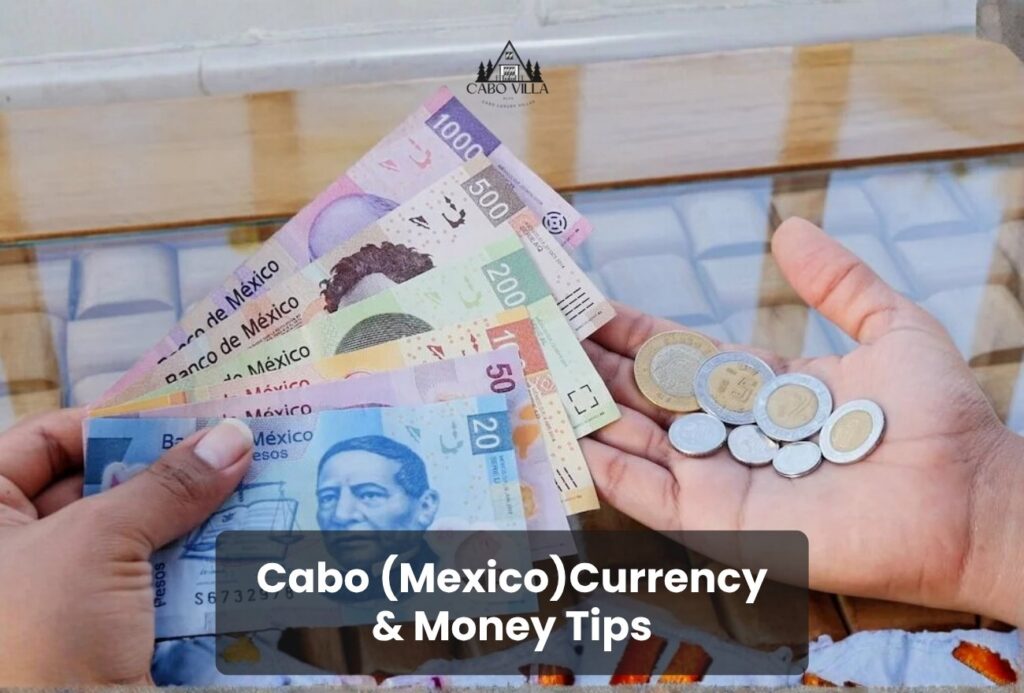
The official currency in Cabo is the Mexican Peso (MXN). You’ll see prices marked with the “$” symbol, but don’t get confused — it refers to pesos, not US dollars.
While many hotels, restaurants, and shops accept US dollars, you’ll usually get a better deal if you pay in pesos. Paying in USD often leads to weaker exchange rates or change being given in pesos at a poor conversion rate.
For the best value, use pesos for local purchases, especially at markets, street vendors, or taxis.
Can You Use US Dollars in Cabo?
Yes — most tourist spots in Cabo San Lucas, San José del Cabo, and along the Tourist Corridor accept USD. However, there are limits. Smaller local shops, cafes, and taxis may prefer pesos.
Many travelers carry both currencies. Use USD for big payments like excursions, villa services, or fine dining, and pesos for everyday spending. Always keep some small peso bills for tips, taxis, and beach vendors.
Getting Pesos on Arrival
You can get pesos as soon as you land at Los Cabos International Airport (SJD). There are ATMs and exchange counters, but airport rates tend to be lower than those offered by banks in town.
A smarter move is to withdraw pesos from a bank ATM in Cabo San Lucas or San José del Cabo. Look for BBVA, Santander, Banorte, or HSBC branches — they usually offer the fairest rates and reliable machines.
If you withdraw cash, always:
- Use bank ATMs during daylight hours
- Avoid freestanding ATMs on the street or near bars
- Decline “dynamic currency conversion” when asked if you want to be charged in your home currency — always choose pesos
Credit Cards and Contactless Payments
Cabo is credit card–friendly. Visa and Mastercard are accepted almost everywhere. American Express works at most luxury hotels and restaurants, but smaller businesses might not accept it.
You can also use Apple Pay or Google Pay in many modern venues. However, it’s best to have a physical backup card or some pesos in case of connectivity issues or terminals that only accept chip payments.
ATM Fees and Withdrawal Tips
When using ATMs in Cabo:
- Expect a local fee of 30–100 MXN (≈ $2–6 USD) per withdrawal.
- Your home bank might charge an international fee.
- Withdraw larger amounts at once to reduce the number of fees.
- Use ATMs inside banks — they’re safer and more reliable.
Always check your balance privately and avoid ATMs late at night or in isolated areas.
Currency Exchange in Town
You’ll find “Casa de Cambio” exchange houses across Cabo San Lucas and San José del Cabo. Rates there are usually better than at the airport or hotels.
Exchange houses near the Cabo Marina, Medano Beach, and San José Art District are reliable choices. Bring your passport or ID if you’re exchanging larger amounts.
How Much Cash Should You Carry?
You don’t need to carry much cash in Cabo. Most villas, resorts, and restaurants accept cards. Still, it’s wise to keep 2,000–4,000 MXN in small notes for daily expenses such as taxis, tips, and market shopping.
Use your credit card for big transactions and cash for small purchases. If you’re staying in a private villa, your concierge can guide you on how much to keep on hand for staff tips or local transport.
Tipping in Cabo: Simple Guidelines
Tipping is part of the culture in Mexico. Service workers often rely on gratuities, and showing appreciation goes a long way.
Here’s a quick tipping guide for Cabo:
- Restaurants: 10–20% of the bill (check if service charge is already included)
- Bartenders: 10–20 MXN per drink or 15% of total
- Hotel staff: 50–100 MXN per service (bellboy, cleaner)
- Taxi drivers: 5–10% or round up the fare
- Villa staff: 100–300 MXN per day per staff member, depending on the villa size and service
- Private chefs: 10–15% of the total service charge
- Yacht or fishing charters: 10–20% of total cost (split among the crew)
- Spa or massage: 10–15% of the bill
- Golf caddies: 200–400 MXN per round
When in doubt, tip in pesos, not USD. It’s easier for locals and shows thoughtfulness.
Is Cabo Safe for Using Cash and ATMs?
Yes, Cabo is generally safe, but like anywhere, take precautions. Use ATMs attached to banks or inside malls. Avoid flashing large amounts of cash. Keep smaller notes for regular spending, and store extra cash in your villa’s safe.
Avoid withdrawing money at night or from street-side ATMs near bars or tourist zones.
How Much Cash Can You Bring Into Mexico?
You can legally bring up to USD 10,000 (or equivalent in other currencies) without declaring it. If you’re carrying more, you’ll need to declare it on arrival. Most travelers don’t need that much cash since Cabo accepts cards widely.
Paying in Pesos vs US Dollars — What’s Better?
If you want best value, pay in pesos. If you pay in USD, many stores or taxis will round up or give change in pesos at a poor rate. Use USD only where rates are fair or where the convenience outweighs the cost, like at luxury resorts or large restaurants.
Scams and Hidden Charges to Watch For
While Cabo is safe, be alert for:
- Dynamic Currency Conversion (DCC) — always choose to be charged in pesos.
- Poor exchange rates at airport booths or hotel receptions.
- Street ATMs with high fees or fake card readers.
- Fake peso notes — genuine ones have clear watermarks and raised print.
When in doubt, ask your villa concierge or resort staff for the safest exchange spots or ATMs nearby.
Cabo Money Tips for Luxury Travelers
If you’re staying in a private villa or high-end resort, plan your payments smartly:
- Use your card for bookings, dinners, and excursions.
- Keep cash for tipping staff, taxis, and local markets.
- Check rates with your bank before travel and notify them of your trip to avoid blocked transactions.
- Carry small bills (20, 50, 100 MXN) for convenience.
- Avoid coins for tipping — notes are preferred.
Your villa concierge can also arrange cash delivery or exchange, making your stay hassle-free.
FAQS
What currency is used in Cabo?
The official currency is the Mexican peso (MXN). US dollars are accepted in many tourist areas, but you’ll usually get better value when paying in pesos.
Do I need pesos in Cabo or can I pay in USD?
You can pay in USD at many hotels, restaurants, and tour operators. However, smaller shops, taxis, and local markets prefer pesos. Paying in pesos helps you avoid poor exchange rates and ensures fair value.
Where is the best place to get pesos on arrival in Cabo?
Use bank ATMs in Cabo San Lucas or San José del Cabo — such as BBVA, Santander, Banorte, or HSBC. They offer better exchange rates than airport counters or hotel desks.
Which ATMs are safest in Cabo San Lucas and San José del Cabo?
Choose ATMs inside banks or shopping malls during daylight hours. Avoid freestanding ATMs near bars or busy tourist streets. Always cover your PIN and check the card slot before inserting your card.
Should I accept the ATM or card terminal offer to charge me in my home currency?
No. Always choose to pay or withdraw in Mexican pesos instead of your home currency. This avoids hidden markups known as dynamic currency conversion (DCC).
Do restaurants and beach clubs in Cabo take Amex or Apple Pay?
Yes, most accept Visa and Mastercard. Amex works at upscale places and luxury resorts. Apple Pay and Google Pay are also available in many spots, though it’s smart to keep a physical card or cash backup.
How much cash should I carry in Cabo?
Keep around 2,000–4,000 MXN in small notes for taxis, tips, and markets. Use your debit or credit card for larger expenses such as dining, excursions, and villa services.
Is it better to tip in pesos or USD?
Always tip in pesos. It’s easier for local staff to use, and you avoid conversion losses that happen when exchanging USD.
How much cash can I bring into Mexico without declaring?
You can bring up to USD 10,000 (or the equivalent in other currencies) without declaring it. If you carry more, you must declare it at customs when entering Mexico.
Where can I exchange money in Cabo for a good rate?
You’ll find reliable casas de cambio in Cabo San Lucas (near the Marina and Medano Beach) and in the San José Art District. Compare posted rates and bring ID for larger exchanges.
Are taxis and ride services in Cabo cash-only?
Most taxis still prefer cash. Some premium drivers or apps may accept cards, but it’s best to confirm before your ride and keep pesos ready for convenience.
How do I avoid scams or hidden fees at ATMs?
Use bank ATMs, check for tampered card slots, and avoid nighttime withdrawals. Always decline DCC and review on-screen fees before confirming your transaction.
Will I get change in pesos if I pay in USD?
Yes — most places will give change in pesos, often at an unfavourable rate. To avoid losing value, pay directly in pesos whenever possible.
What money tips are best for luxury villa guests in Cabo?
Use your card for bookings, fine dining, and excursions, but keep small peso notes for staff tips, taxis, and local shopping. Ask your villa concierge about local tipping recommendations and safe nearby ATMs.
Cabo is modern, safe, and traveler-friendly when it comes to money. You can comfortably combine cash and card use throughout your stay. The key is simple — use pesos for better value, cards for convenience, and tipping for good service. With smart money handling, you’ll enjoy every moment of your Los Cabos experience without worrying about extra costs.